

The differences between PES pleated membrane filter element and pp pleated filter element can be seen from their names. The difference does not lie in the pleating but in PES and PP. The different basic materials used in their manufacturing determine their distinct characteristics and applications, and fundamentally set them apart. One is used in high-end precision filtration, while the other is more commonly used in ordinary working conditions and economic filtration.
The main materials of ordinary filters are polypropylene, nylon, or mixed fiber membranes. This is why they can only handle relatively simple working conditions and are suitable for some low-end filtration scenarios.
PES pleated filters, on the other hand, use polyethersulfone membrane material, also known as PES. Firstly, the material is relatively expensive. PES has an inherent hydrophilic property, and the pleated filters made from this material have a uniform structure and strong controllability.
The difference in materials naturally leads to differences in filtration accuracy and flow rate.
Firstly, let's look at the filtration accuracy. The filtration accuracy of ordinary PP pleated filters mainly ranges from 0.5 to 50 microns. Its stability is relatively unstable, with a small difference in filtration accuracy and a limited range. It can only handle general impurities and microorganisms in water and has a relatively limited filtration range.
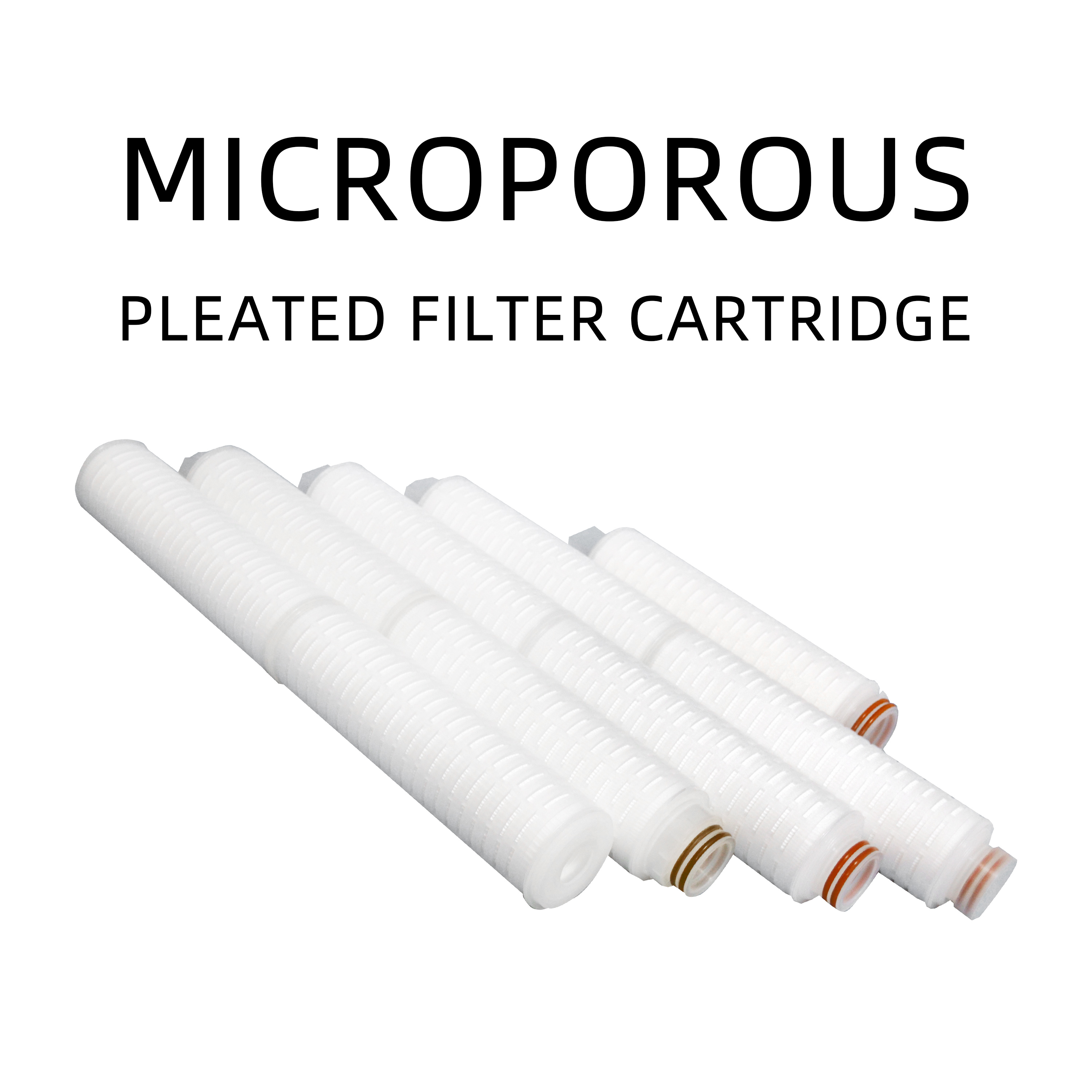
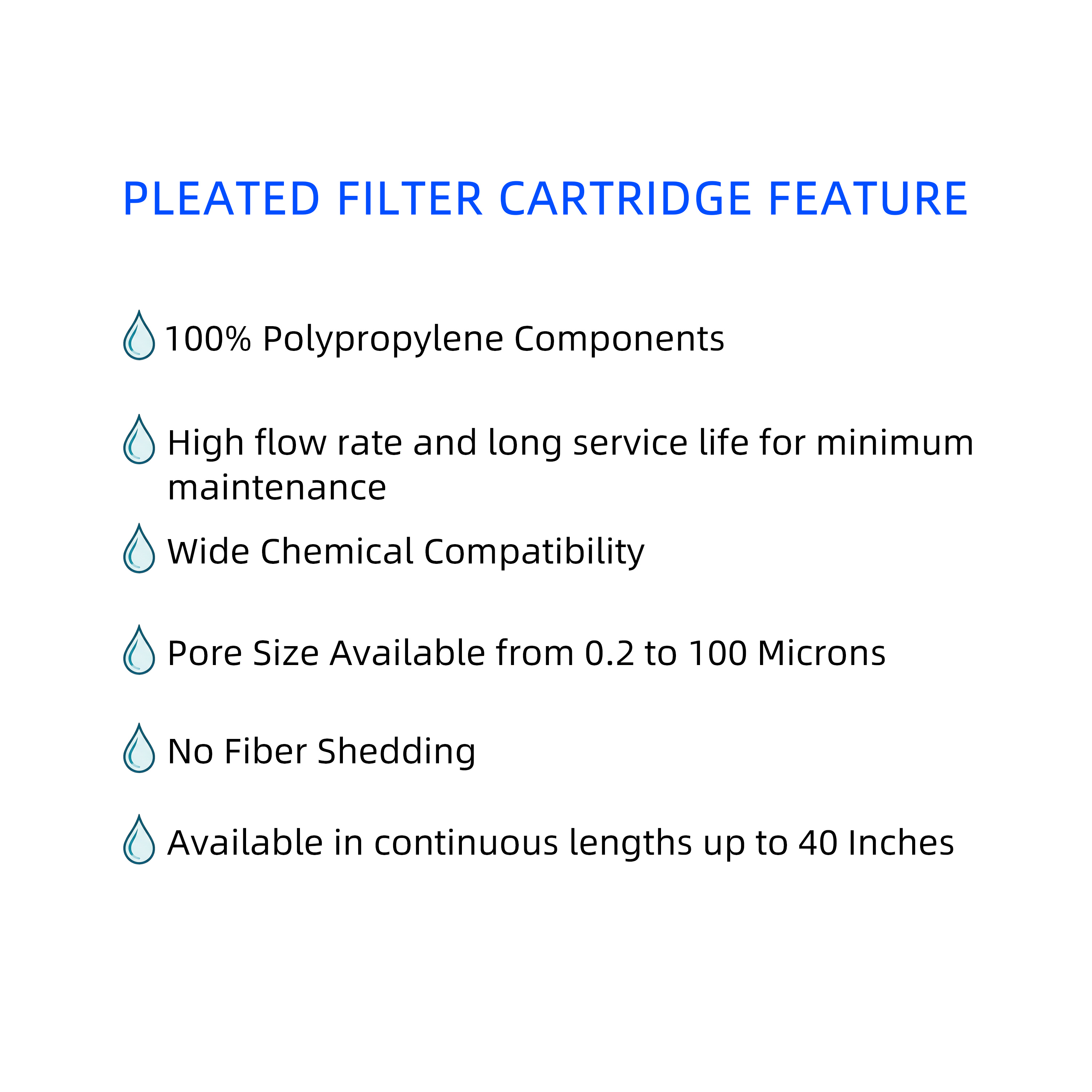
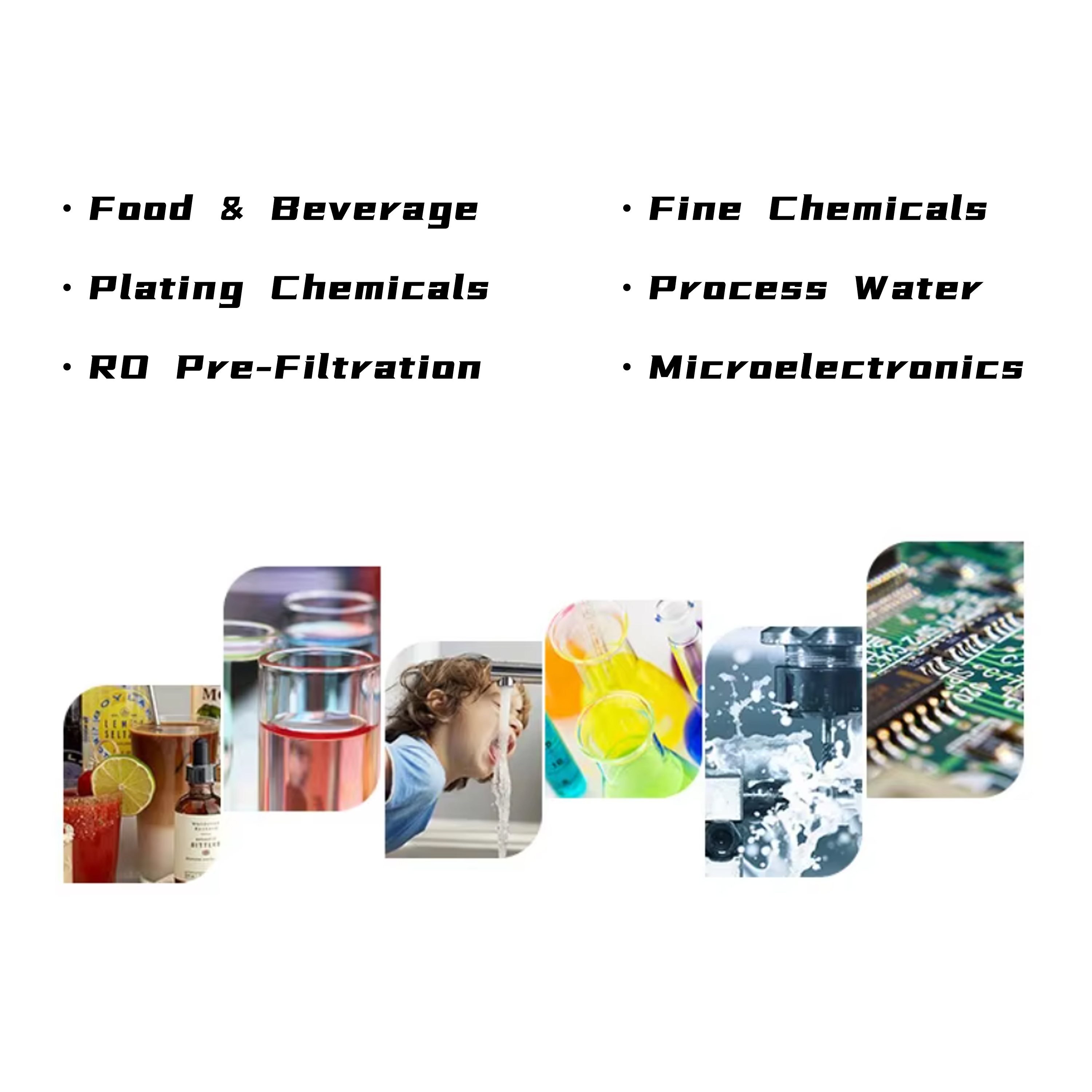
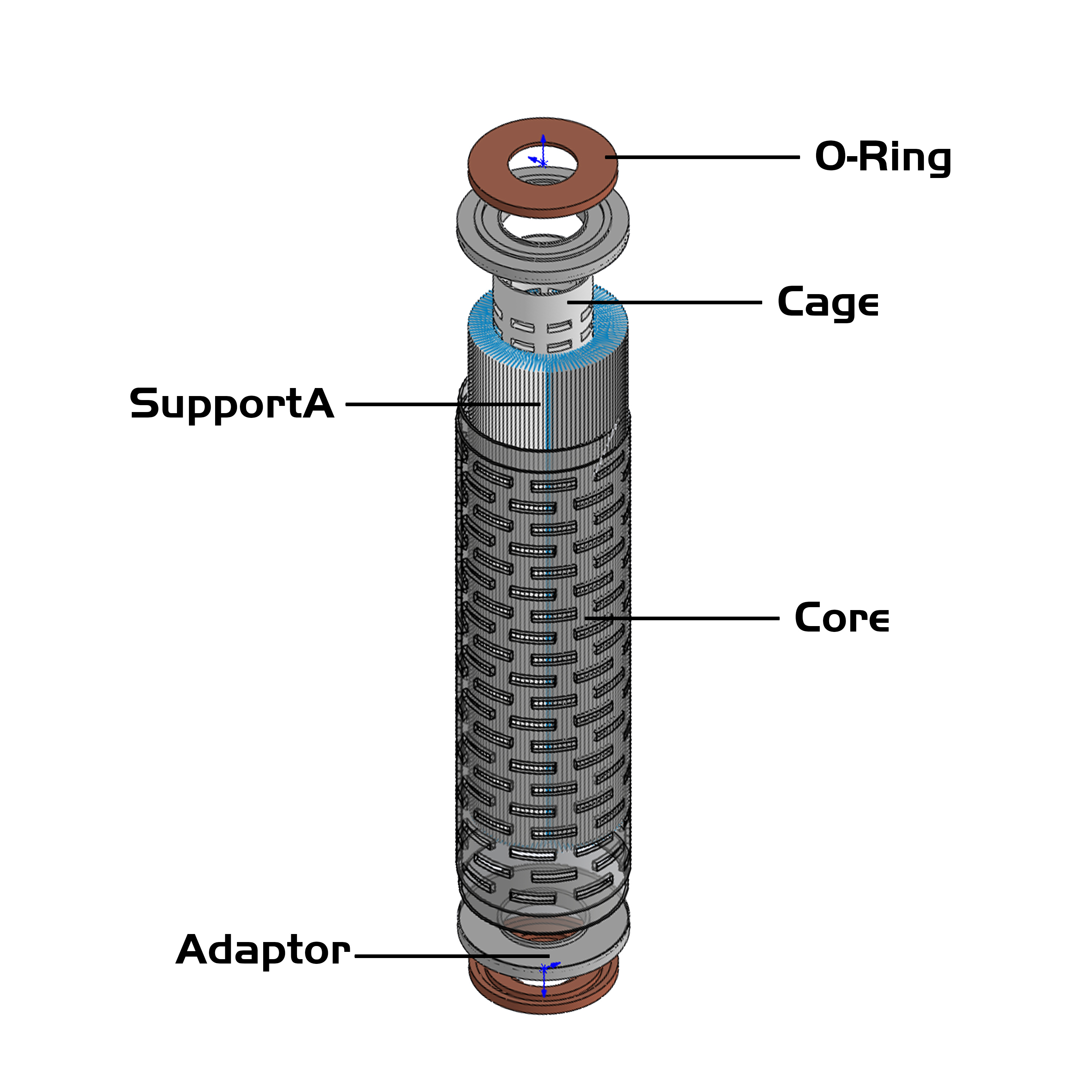
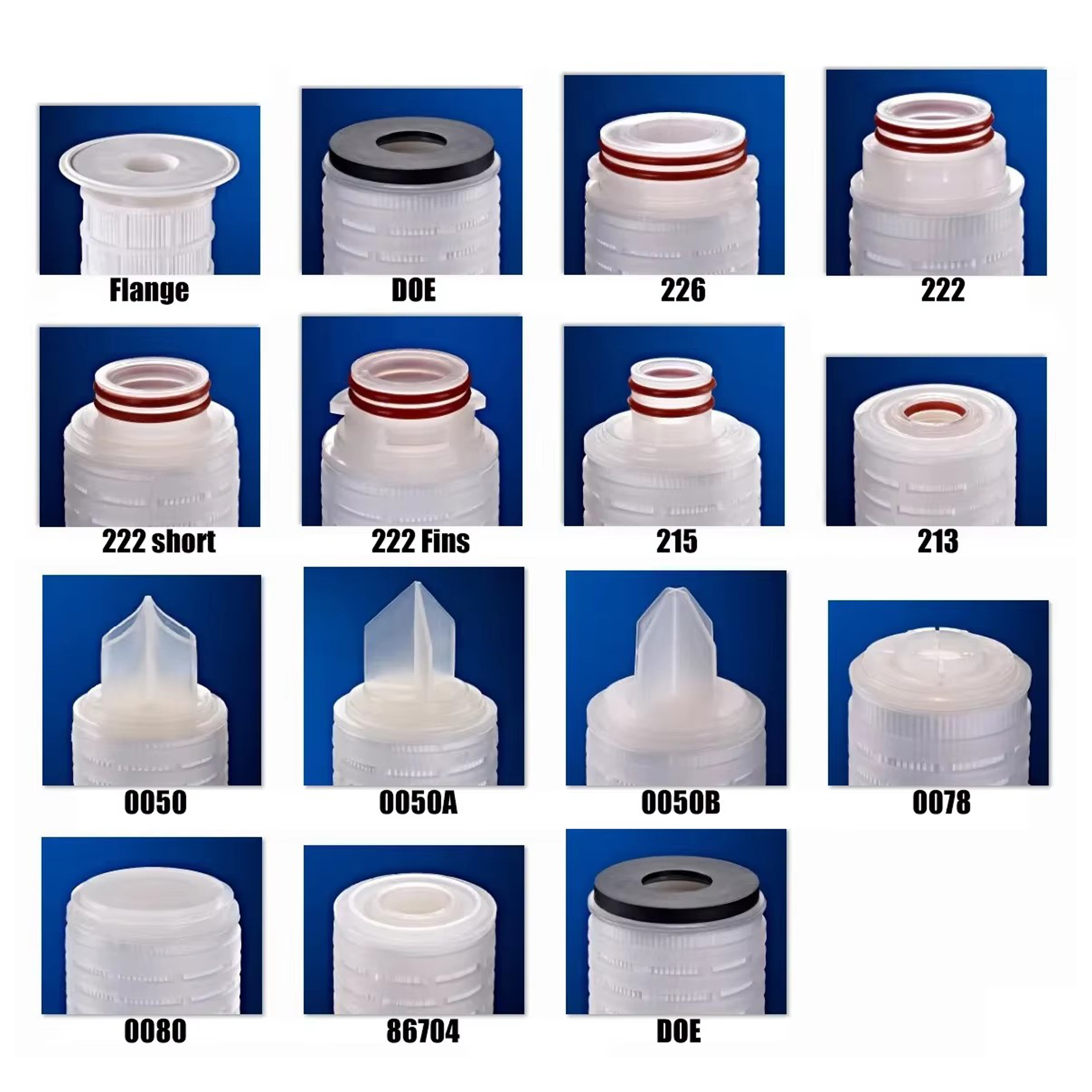
PES pleated filters, on the other hand, are suitable for high-end industries. They have a very high filtration accuracy, ranging from 0.1 to 0.45 microns. They can filter out fine microorganisms and even more minute impurities in liquids. Their retention characteristics are very stable and can achieve sterile filtration. They are widely used in high-end industries and are thus also known as precision filters. In contrast, the filtration of ordinary pp pleated filter cartridge is more coarse.
Secondly, regarding the flow rate and pressure difference of these two types of pleated filters, the flow rate of ordinary PP pleated filters is not only lower than that of PES pleated filters but also often causes clogging and contamination. However, this also depends on the working conditions and usage frequency. Under the same conditions, PP pleated membrane filter element is more easily affected by contaminants. PES pleated membrane filter cartridge, on the other hand, have a high porosity, which results in a large filtration flow rate and better filtration effect. This also solves the problem of pressure difference size, making them less prone to clogging and having a longer service life.