

Perfluoroalkyl and polyfluoroalkyl substances (PFAS) are known as "permanent chemicals" due to their extremely strong chemical stability and difficulty in degradation. They are widely present in various biological solids such as municipal sludge and livestock manure. These substances have strong migration and bioaccumulation properties and can spread through soil infiltration, surface runoff, etc., posing long-term threats to water and soil environmental quality and accumulating through the food chain to endanger human health. They have become a major challenge in the current environmental governance field that urgently needs to be solved. Throughout the entire process of resource utilization and harmless disposal of biological solids, the pleated membrane filter cartridge, with its efficient and precise filtering characteristics, becomes the core supporting equipment for blocking the diffusion of PFAS and controlling the environmental risks of pollutants.
Biological solids, as by-products of industries such as wastewater treatment and agricultural breeding, are typically disposed of through methods such as land use, composting and returning to the field, and incineration and landfill. However, PFAS are easily adsorbed onto the surface of biological solid particles and organic matter in conventional treatment processes, making it difficult to effectively separate and remove them. If the disposal and control are not in place, PFAS will penetrate into the soil of farmland along with the biological solids and be absorbed by crops, entering the food chain and posing long-term and concealed environmental safety hazards. Traditional sedimentation, coarse filtration, etc. treatment methods can only separate the large particles of biological solids, but have little effect on dissolved, microparticulate, and complex-bound PFAS. They are unable to meet the current strict pollution control requirements and urgently need refined filtration technology to fill the governance gaps.
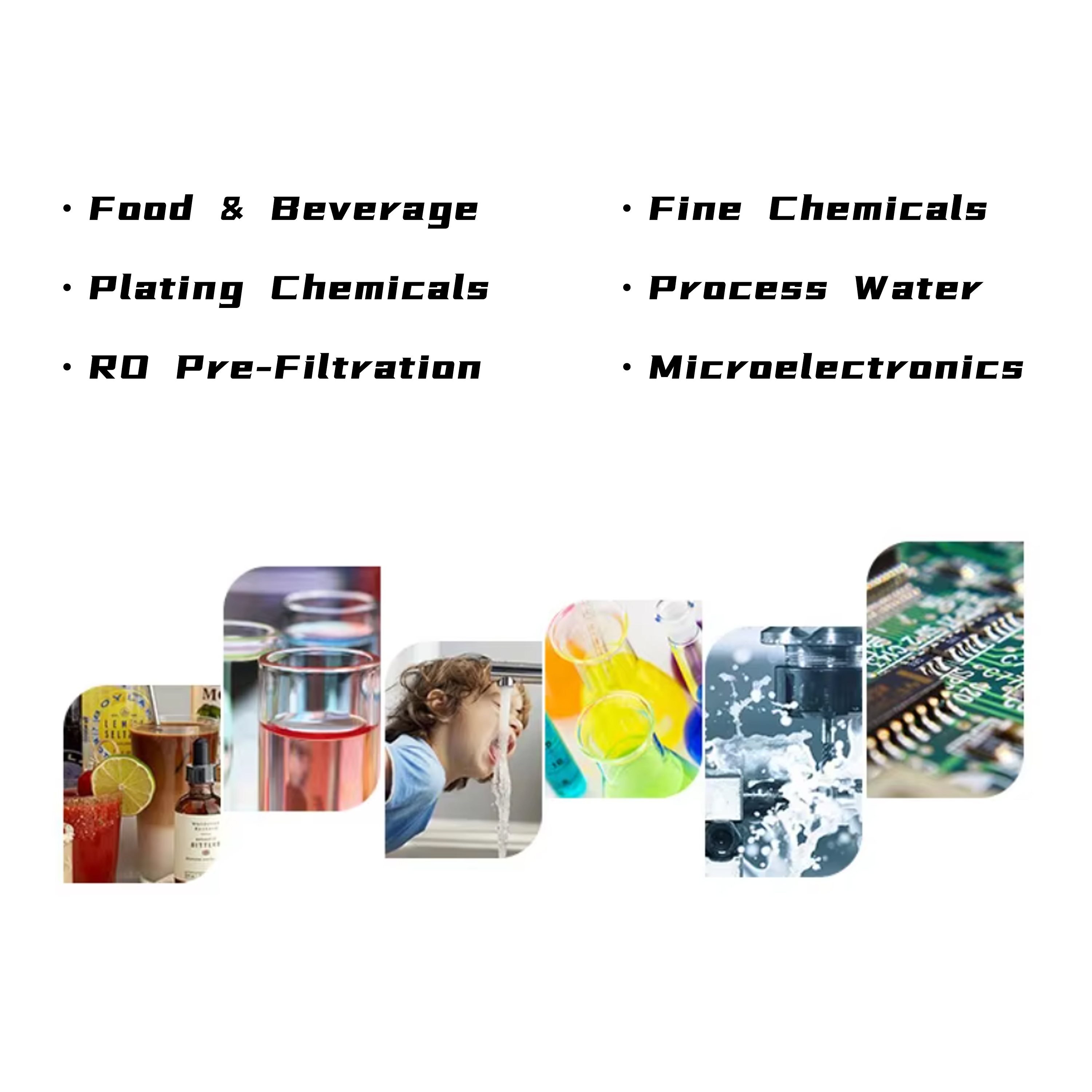
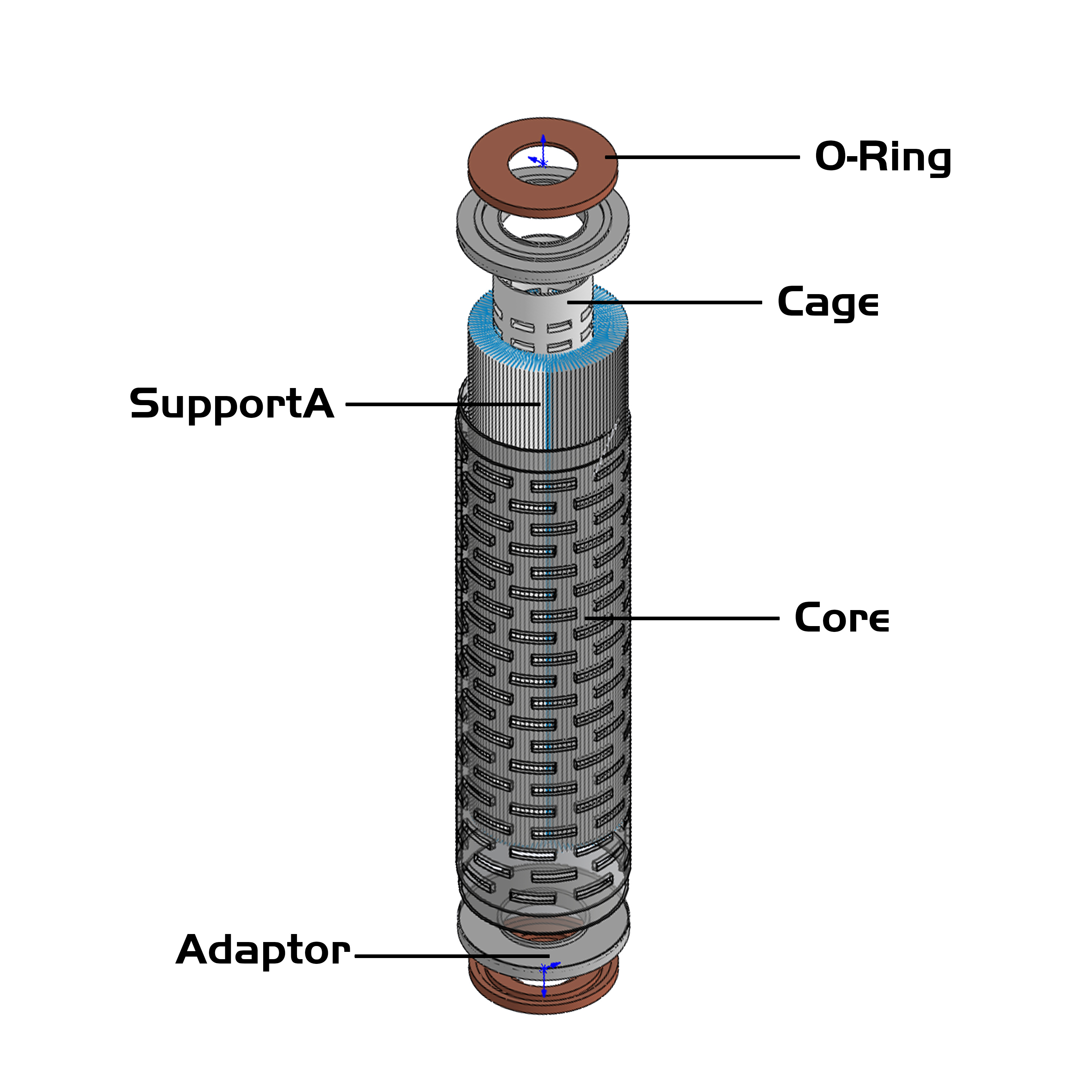
The folding filter cartridge is based on a multi-layer high-performance filter material folding structure and can precisely control the pore size according to the governance requirements to the micrometer level. It has outstanding advantages such as high filtration accuracy, low loss of flow rate, and excellent adsorption performance. In the pre-treatment stage of biological solids, this filter element can efficiently capture colloidal particles carrying PFAS, suspended organic matter, and tiny solid particles. Through the dual effects of physical sieving and surface adsorption, it significantly reduces the PFAS content in the filtrate, laying the foundation for subsequent deep treatment. Compared to traditional filter elements, its folded structure significantly increases the effective filtration area, has stronger anti-pollution capabilities and is easy to clean, and can adapt to the complex conditions of high impurity and high viscosity of biological solids, and be stably applied in multiple key scenarios such as sludge dewatering, leachate treatment, and purification of biological solid leachate.
In the final treatment stage, the pp pleated filter cartridge is a prerequisite for deep PFAS removal. It can intercept most PFAS-containing micro-particles, reducing the load on subsequent activated carbon adsorption and advanced oxidation processes, improving the overall treatment efficiency, and reducing the treatment cost. At the same time, the PP filter cartridge can achieve targeted interception of pollutants, facilitating the centralized collection and disposal of PFAS, avoiding secondary pollution, and helping to achieve safe, resourceful utilization of biological solids, and achieving the goals of sludge reduction, harmless treatment, and resource utilization.
Facing increasingly strict PFAS control standards, the polypropylene pleated filter element provides an efficient and practical technical path for the management of biological solids. In the future, with technological upgrades such as filter material modification and precise pore size optimization, the interception and removal capabilities of pleated membrane filter element for PFAS will further improve. Based on the folding filter element, a complete filtration system can effectively curb PFAS environmental migration, safeguard water and soil safety, and build a technical barrier for the green and sustainable governance of biological solids.