

As generative AI and large model training enter an explosive growth phase, each breakthrough in computing power scale is accompanied by a simultaneous increase in water consumption. Water is the "cooling blood" of AI. The massive heat generated by the 24‑hour high‑speed operation of AI servers cannot be cooled without water cooling and liquid cooling systems. Behind this, high flux filter cartridge are silently undertaking the key mission of supporting the stable development of AI and alleviating the pressure on water resources, becoming an indispensable "invisible guardian" in the AI computing power infrastructure.
With the breakthrough of AI large model parameters and the increase in GPU cluster density, the cooling system of AI computing power centers faces huge challenges. Mainstream cold plate liquid cooling, immersion liquid cooling, and large water cooling towers require 24‑hour circulation of ultra‑large flow cooling water, with the circulation water volume of each data center reaching hundreds to thousands of tons per hour. Traditional small‑flow filter elements require dozens of parallel connections to meet the demand, occupying space and prone to failure, and cannot adapt to the efficient operation of the computing power center.
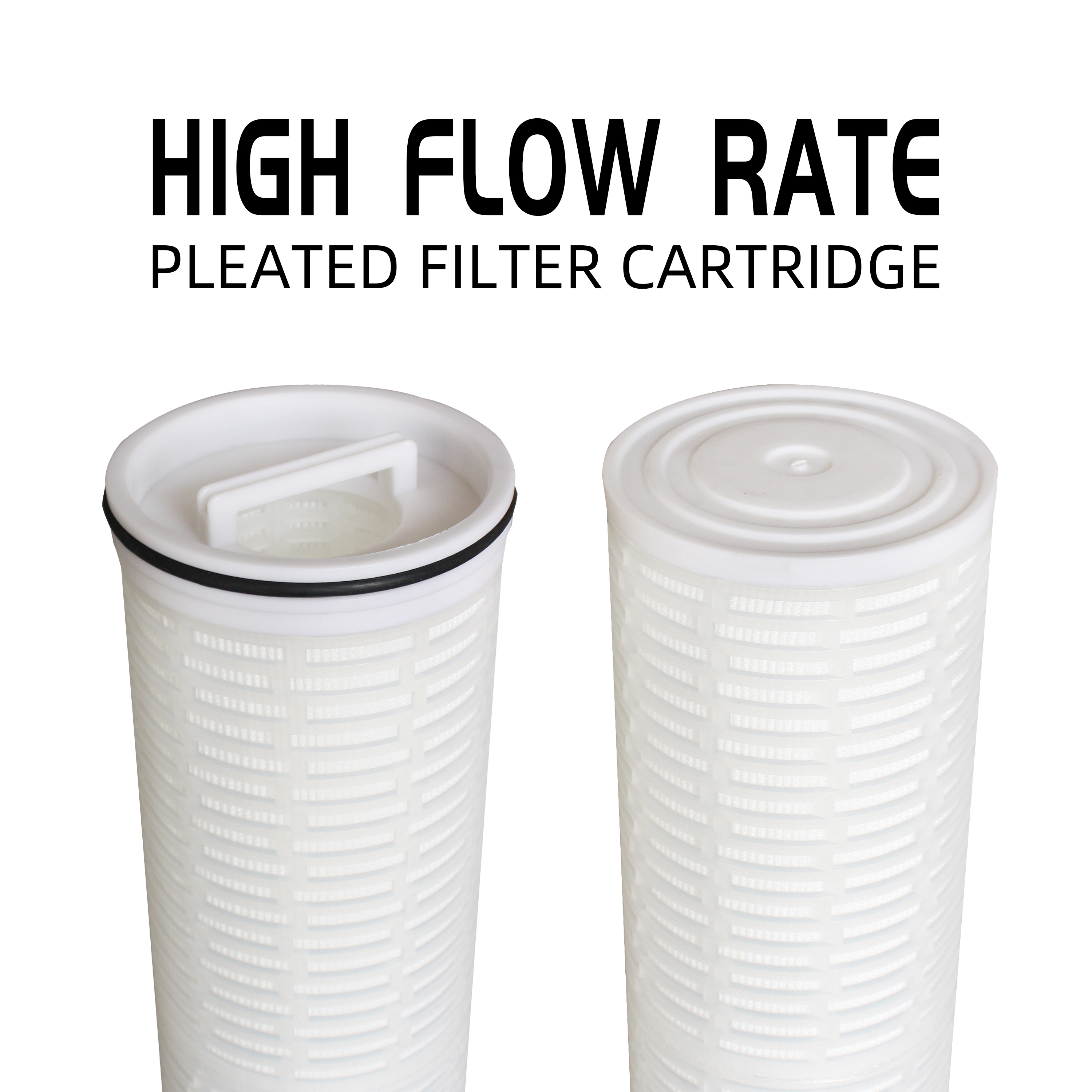
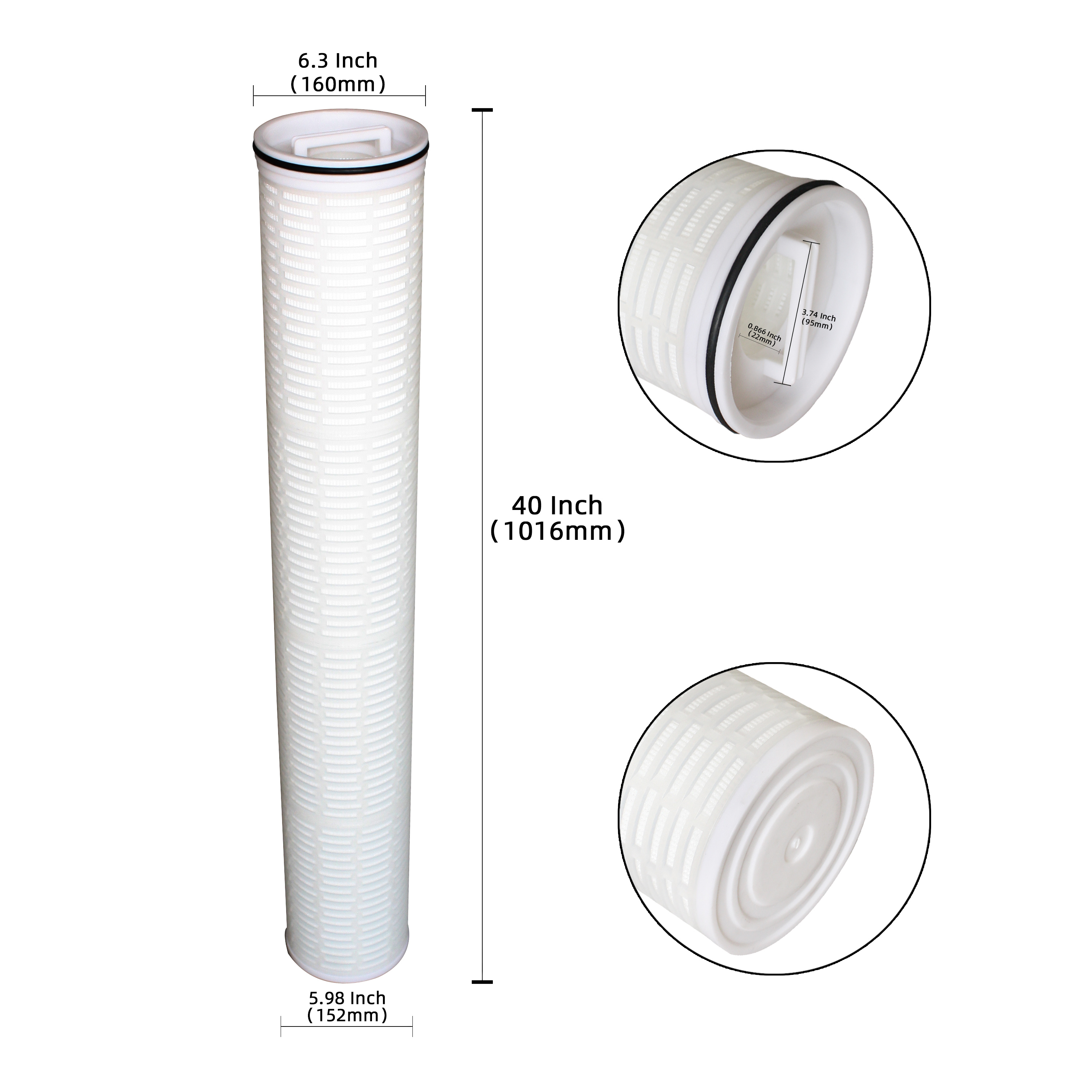
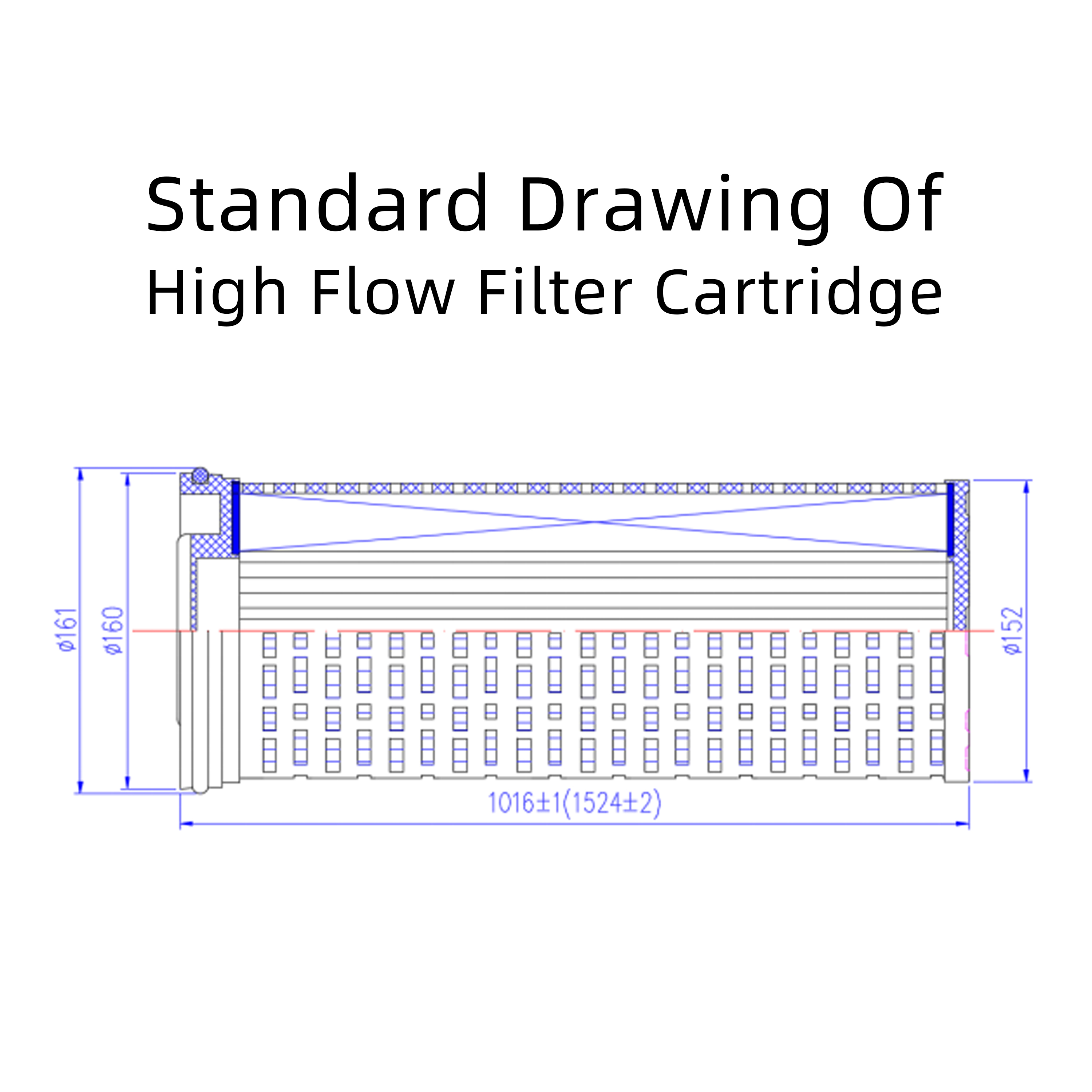
high flow water filter cartridge precisely solve this pain point. As the first "large‑flow protective barrier" of the AI cooling system, each large flux filter element can have a flow rate of 50–110 m³/h, and one can replace dozens of ordinary filter elements, perfectly matching the large‑flow water circulation requirements, and widely used in CDU cooling capacity distribution units, main circulation pipelines, etc., as an important link connecting AI development and water resource conservation, connecting AI development with the conservation of water resources.
At the level of stable operation of AI computing power, high flow pleated filter element are the "artery cleaner". During the cooling fluid circulation, impurities such as metal debris and rust will be mixed in, and once they enter the micro‑pores of the GPU cooling plate, they can cause the chip to slow down or even cause a shutdown. According to statistics, 19% of data center shutdowns are due to water quality issues, and large flow filter element can filter impurities stably through a 5–20 μm gradient, protecting the core equipment and providing water quality guarantee for the uninterrupted operation of AI.
More importantly, high flux filter element are the "key handle" for AI water conservation and energy reduction. Water shortage has become a hard threshold for the expansion of AI computing power. It helps conserve water through multiple paths: maintaining clean water quality to stabilize heat exchange efficiency and reduce freshwater evaporation; large pollutant capacity and small pressure drop reduce pump energy consumption and thereby reduce indirect water consumption; the filtered circulating water and reclaimed water can be reused for a long time, alleviating water conflicts in arid regions, and building a water resource defense line for the sustainable development of AI.
Facing the explosive expansion of AI computing power, large‑flow filter elements undertake the "supporter" mission. Now, the power of AI server cabinets has soared from 5kW to 30–80kW, and the cooling flow has doubled. Their single large‑flow and small footprint advantages are suitable for high‑density cabinet layouts; the quick disassembly structure and long‑life design reduce downtime for replacing filter elements, meet the 7×24‑hour operation requirements of AI servers, and support the continuous expansion of computing power.
Now, the game between AI development and water resource constraints is becoming increasingly intense. Large‑flow filter elements have become the core component of AI computing power infrastructure. AI computing power drives its upgrade to higher flow and more water conservation, and its technological breakthroughs in turn alleviate water pressure, mutually enhancing each other, and outlining the future picture of AI sustainable development. We should not ignore this "invisible guardian", as it is silently resolving the contradiction between AI development and water resource consumption and safeguarding the stable output of AI computing power.