
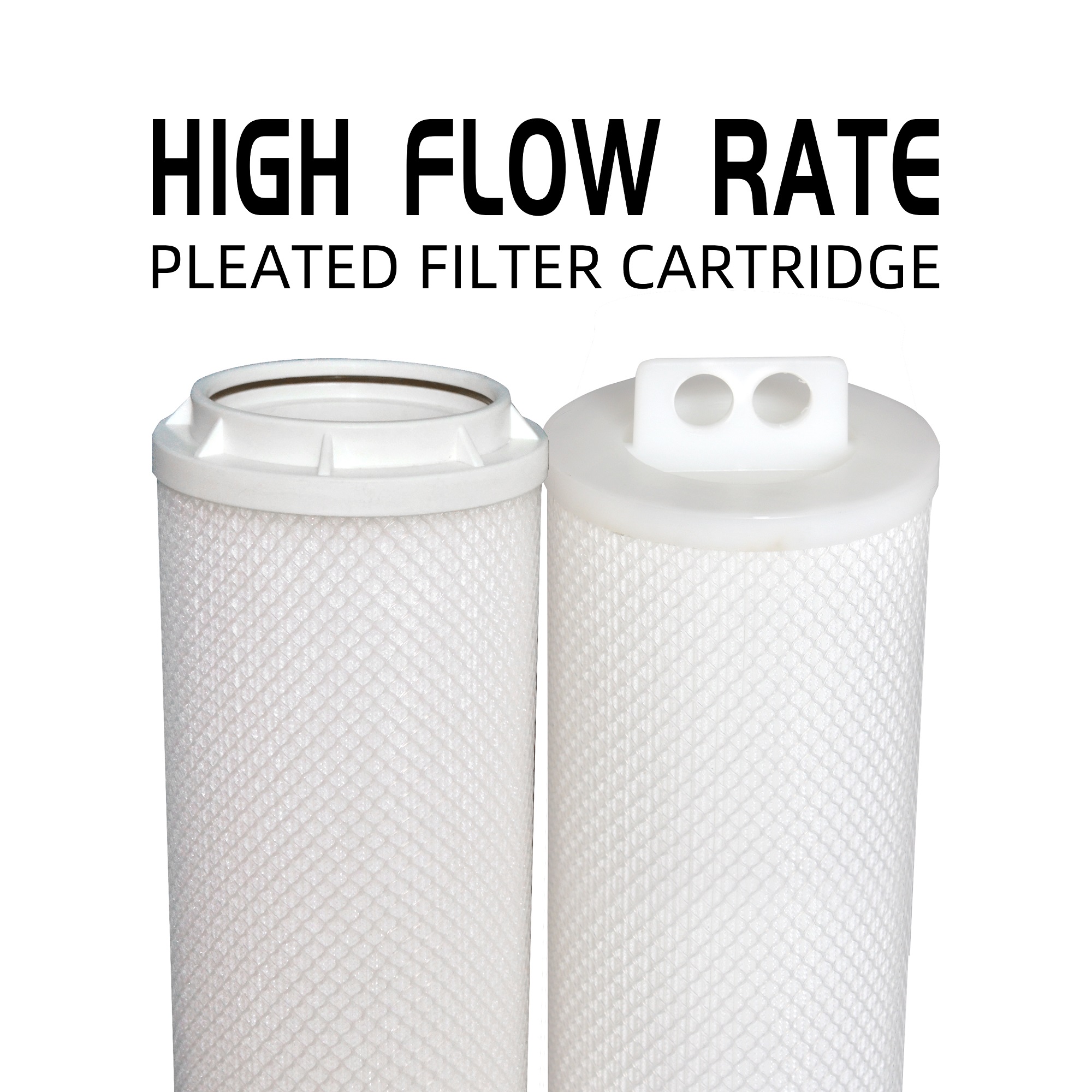
During the production process of the textile industry, a large amount of wastewater is generated. This type of wastewater is complex in composition and contains a large amount of dyes, additives, chemicals, and suspended solids. If directly discharged, it will not only pollute the water body and disrupt the ecological balance, but also cause resource waste. Therefore, effectively treating textile wastewater is the key to the green development of textile enterprises. high flow pleated filter element, as the core filtering components in wastewater treatment, with their advantages of high efficiency, energy saving, and convenience, play an indispensable role in textile wastewater treatment.
Large flow filter cartridge can efficiently capture suspended solids and dye particles in textile wastewater, purifying the wastewater at the source. The suspended impurities carried by textile wastewater, such as fiber debris and undissolved dye particles, are the main causes of water turbidity and equipment blockage. high flux filter cartridge use high‑precision filter materials, which can precisely capture tiny impurities, and their ultra‑large flow area design can achieve large‑flow filtration while ensuring filtration accuracy, avoiding the decline in treatment efficiency caused by filter blockage, significantly improving the pre‑treatment effect of wastewater, and laying the foundation for subsequent deep treatment.
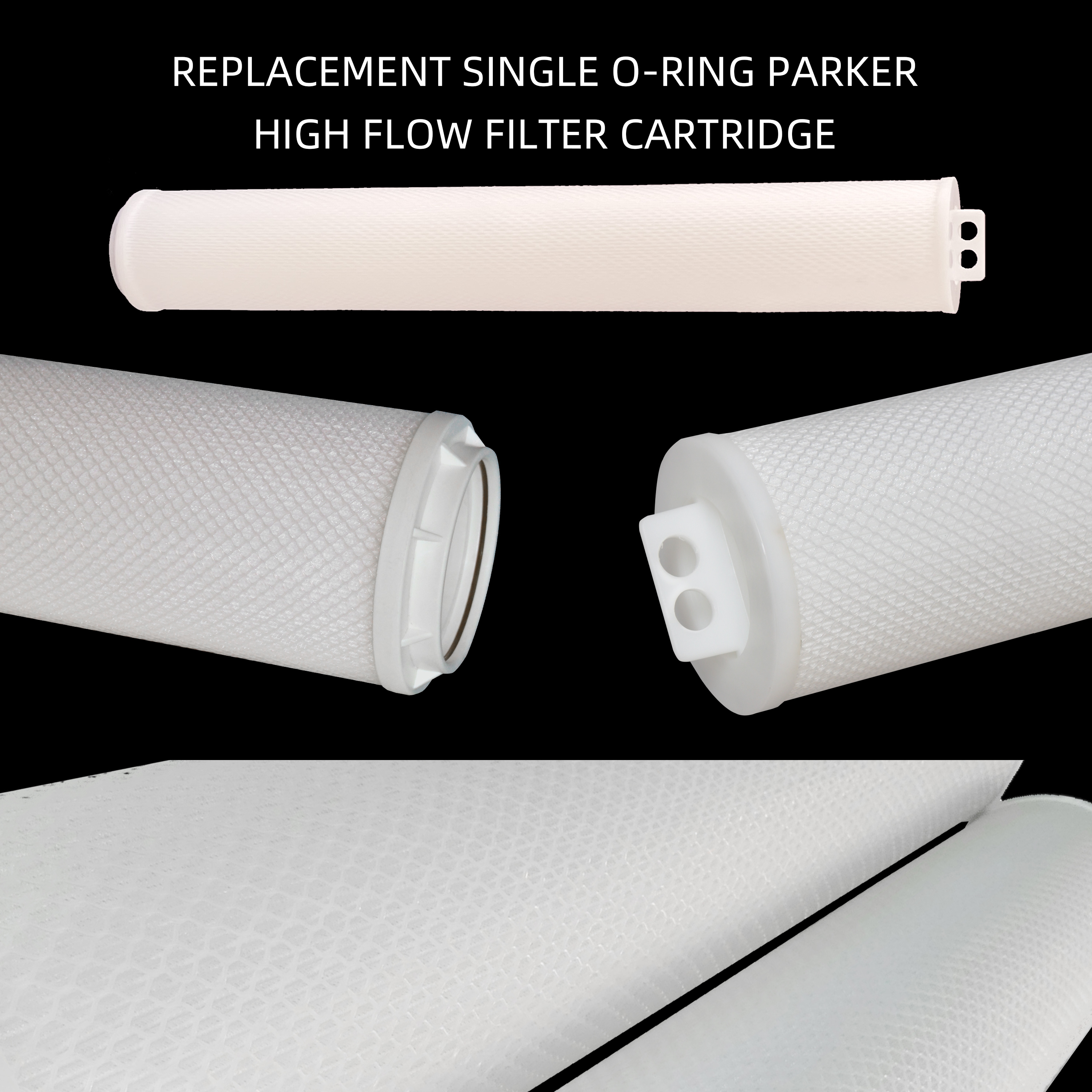
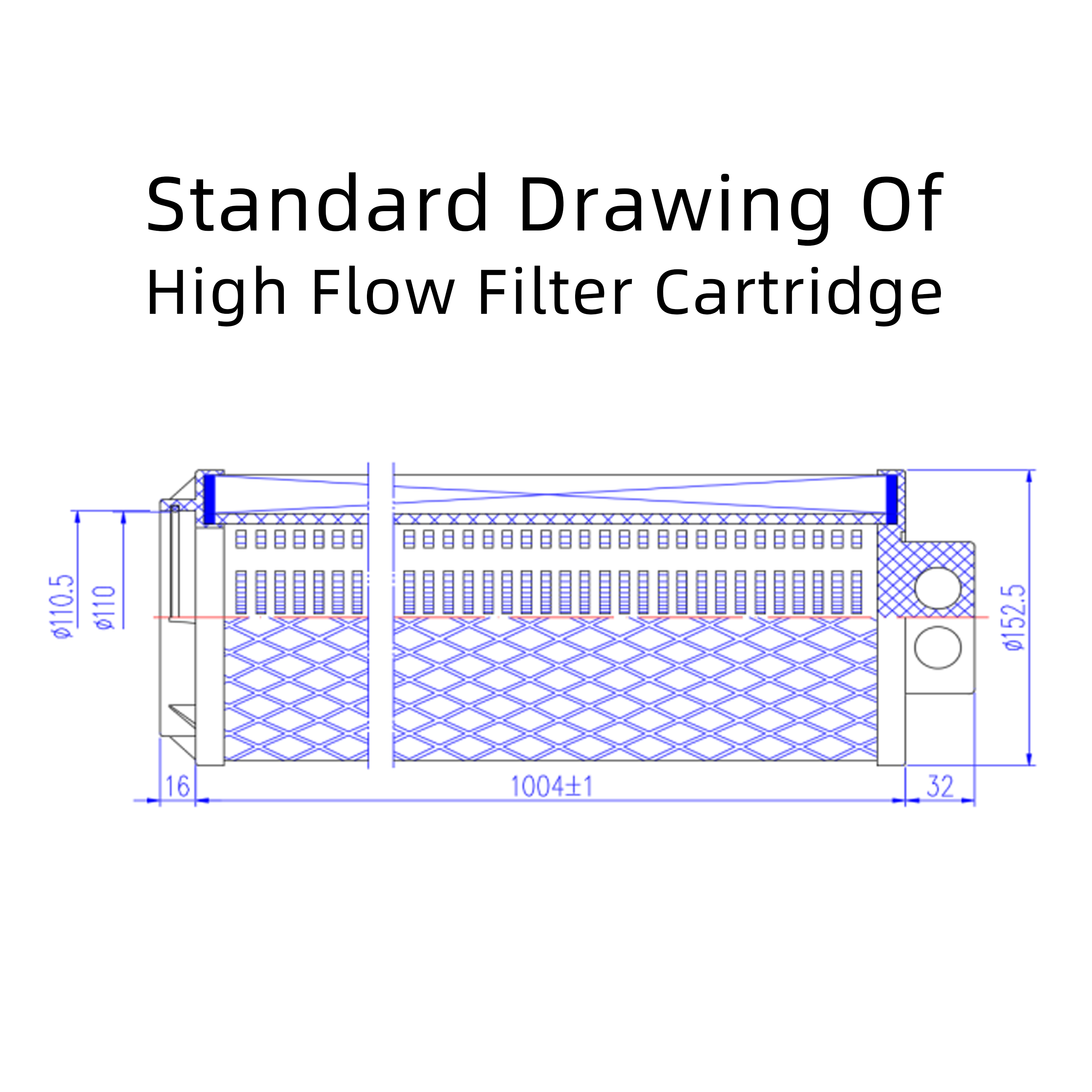
Its excellent chemical resistance adaptability can cope with the complex conditions of textile wastewater. Textile wastewater contains various chemicals such as acid‑base additives, dye intermediates, etc., which are highly corrosive. Ordinary filter elements are prone to corrosion and damage in such wastewater environments, thereby affecting the overall filtration efficiency and effect. However, large flow filter element can be made of materials such as PP and PVDF that are resistant to chemical corrosion. They can stably withstand the acidic and alkaline conditions of wastewater and are less likely to suffer from damage or swelling. This not only ensures the continuous and stable operation of the filtration process but also effectively extends the service life of the high flow water filter cartridge and reduces the overall cost of wastewater treatment for enterprises.
In addition, large flux filter element can help with the resource utilization of textile wastewater and practice the green development concept. After filtration by the high flux filter element, the wastewater is purified of most impurities and dyes, which can be further deeply treated and recycled for production, reducing the consumption of fresh water. At the same time, the retained dye particles and fiber impurities are treated and can be recycled and reused, achieving resource recycling and reducing the water consumption and pollution costs of the enterprise.
In conclusion, high flow pleated filter element through efficient filtration, stable adaptability, and assistance in resource utilization, effectively solve the problems of low efficiency and poor adaptability in textile wastewater treatment. They are an important support for the textile industry to achieve wastewater compliance discharge and promote green and low‑carbon development.