

Recently, the US EPA has adjusted the new regulations for PFAS control, extending the compliance period for PFOA and PFOS in drinking water to 2031. The strict limit standards are forcing the water treatment industry to accelerate process upgrades to solve the "perpetual chemical" treatment problem. Currently, the mainstream PFAS removal processes mainly rely on ion exchange (IX) resin adsorption and reverse osmosis (RO) membrane treatment. However, these two core equipment are costly and have nearly strict requirements for influent water quality. The influent SDI value and micrometer-sized impurities directly determine the stability and lifespan of the system. Precise pre-filtration has become a key link in breaking through the process.
In the IX resin adsorption system and RO membrane device front end, suspended solids, colloids, and fine particles in the water body will directly clog the resin pores and scratch the membrane elements, causing poisoning of the adsorption medium and irreversible contamination of the membrane module, significantly increasing the equipment operation and replacement costs. Conventional coarse filtration cannot meet the high-precision influent requirements, while the polypropylene pleated filter element (micro-porous folded filter element), with its precise absolute filtration performance, has become the core choice for the pre-protection of PFAS treatment processes.
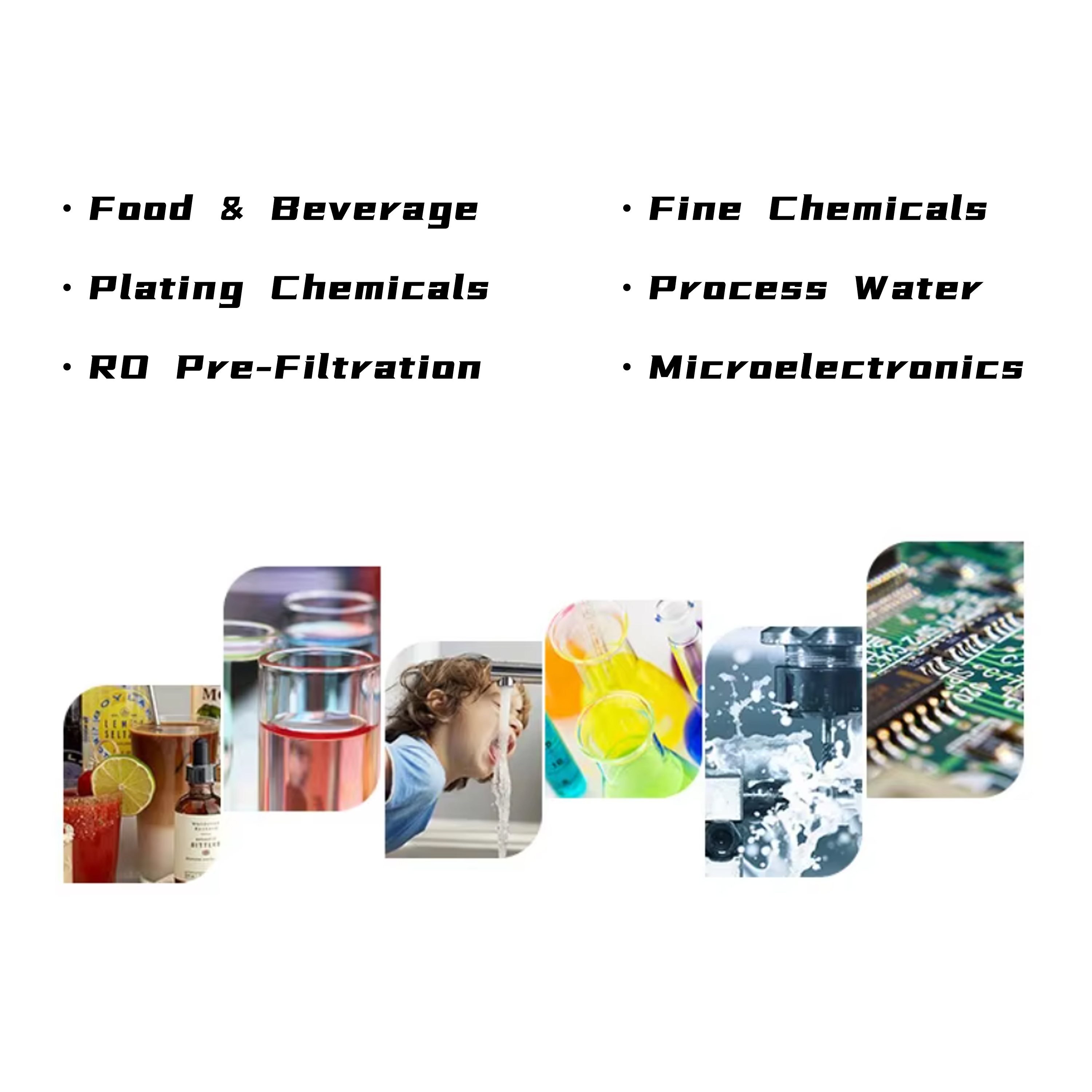
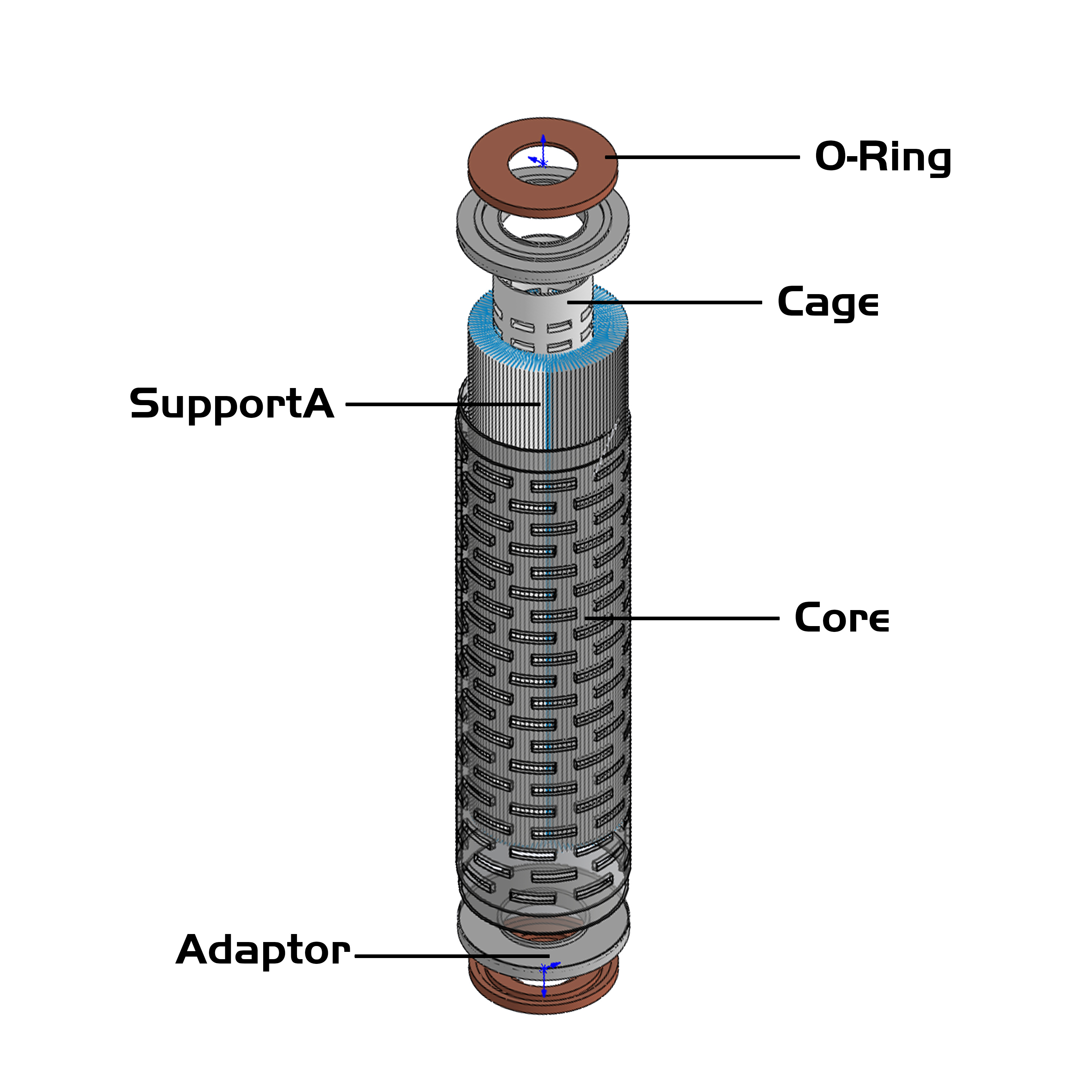
The pleated membrane filter element (micro-porous folded filter element) can achieve precise interception of 0.1–5μm, using gradient filter layers and large folding area structures, with advantages of high pollutant loading capacity, high flow rate, and low pressure difference, capable of efficiently trapping micrometer-sized particles and colloidal impurities in the water body, steadily reducing the influent SDI value, and providing a clean influent environment for the subsequent IX resin and RO membrane. Its deep filtration structure can layer-intercept pollutants, avoiding rapid clogging of the surface layer, continuously ensuring filtration accuracy, and preventing expensive adsorption resins and membrane elements from being contaminated and failing at the source, significantly extending the service life of the entire PFAS treatment system and reducing long-term operation costs. Among these, the pp pleated filter cartridge and PP filter cartridge are the most widely used in industrial scenarios due to their excellent acid and alkali resistance, while thepp pleated filter element and Pp filter Element are more suitable for medium and low pollution PFAS treatment scenarios such as municipal water supply.
Facing the final deadline of PFAS compliance in 2031, water treatment enterprises need to build a complete process chain of "coarse filtration - micro-porous precise filtration - deep treatment". The folding filter element (micro-porous folded filter element), as the core of pre-protection, is suitable for PFAS treatment in multiple scenarios such as pure water, industrial wastewater, and municipal water supply, and can also balance filtration accuracy and operational economy, helping the industry achieve stable compliance and efficient operation under strict environmental protection regulations, providing a reliable pre-filtration solution for PFAS pollution treatment.