

In the pharmaceutical, biotechnology, food and beverage, and ultra-pure water filtration industries, PES polyether sulfone folded filter cartridges are the core selection products for water-based aseptic filtration. Many enterprises often encounter problems with improper filter cartridge selection compared with traditional polypropylene pleated filter cartridge and pp pleated filter cartridge, such as incomplete sterilization, loss of drug liquid components, failure after sterilization, and small flow rates. Most of these issues stem from insufficient understanding of material properties, aperture compatibility, and sterilization conditions. This article comprehensively outlines the core points of PES filter cartridge selection to help users accurately match the working conditions and avoid usage risks.
Firstly, the selection basis for the core material properties is the foundation for adapting to the working conditions. The main feature of PES filter cartridges is their natural hydrophilicity, low protein adsorption, high temperature resistance, and high cleanliness, which distinguishes them from polypropylene pleated filter element, PVDF, and PTFE filter cartridges. They do not require alcohol pre-wetting and have high water flow rate and quick startup, suitable for all water-based liquid filtration; their ultra-low adsorption property can completely retain active components such as proteins, peptides, and polysaccharides, making them the preferred choice for biological liquid, vaccines, and culture medium filtration. At the same time, the material has excellent chemical stability, suitable for a wide pH range of 1–13 (acidic and alkaline environments), without fiber shedding, low solubility, and in line with USP Class VI and FDA food-grade standards, meeting the requirements of high-end clean production, but not suitable for strong organic solvents or pure oil-based media filtration, which are more applicable for conventional PP filter cartridge.
The selection of aperture is the key to the filtration effect. Different apertures correspond to specific filtration scenarios and cannot be mixed. 0.22 μm is the terminal sterilization grade aperture, which is the core selection for aseptic pharmaceuticals, eye drops, biological preparations, and aseptic filling, capable of completely trapping bacteria, molds, and yeast, ensuring the material meets aseptic standards. 0.45 μm belongs to the precision clarification grade aperture, mostly used for pre-treatment of drug liquids, beverage decontamination, and buffer liquid filtration, capable of removing colloids and fine impurities, effectively reducing the probability of filter clogging and extending the service life of sterilization filter cartridges and conventional pleated membrane filter cartridge. 1 μm and above large apertures are mainly used as pre-filters for interception of large particles and suspended substances, protecting the subsequent precision filter cartridges, suitable for coarse filtration in pure water and ordinary water solution conditions for general folding filter cartridge.
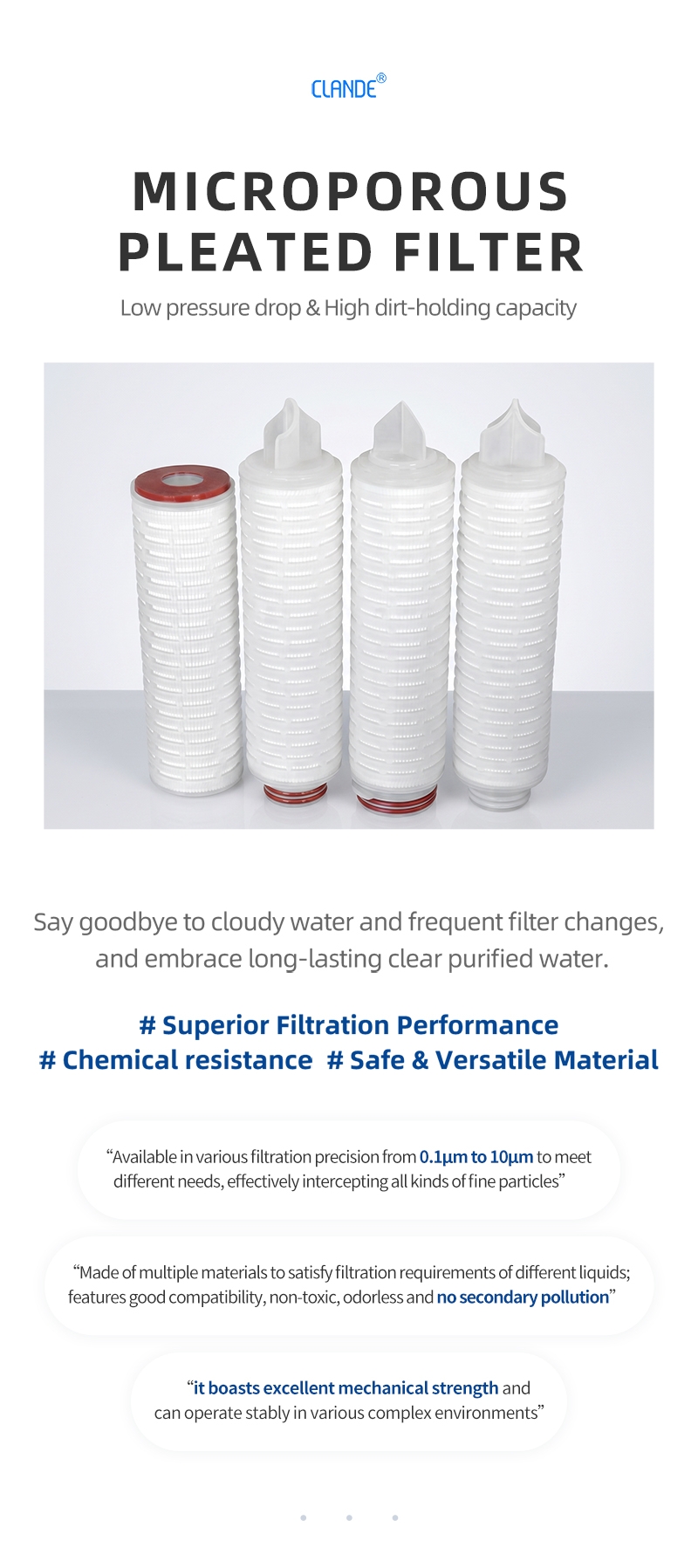
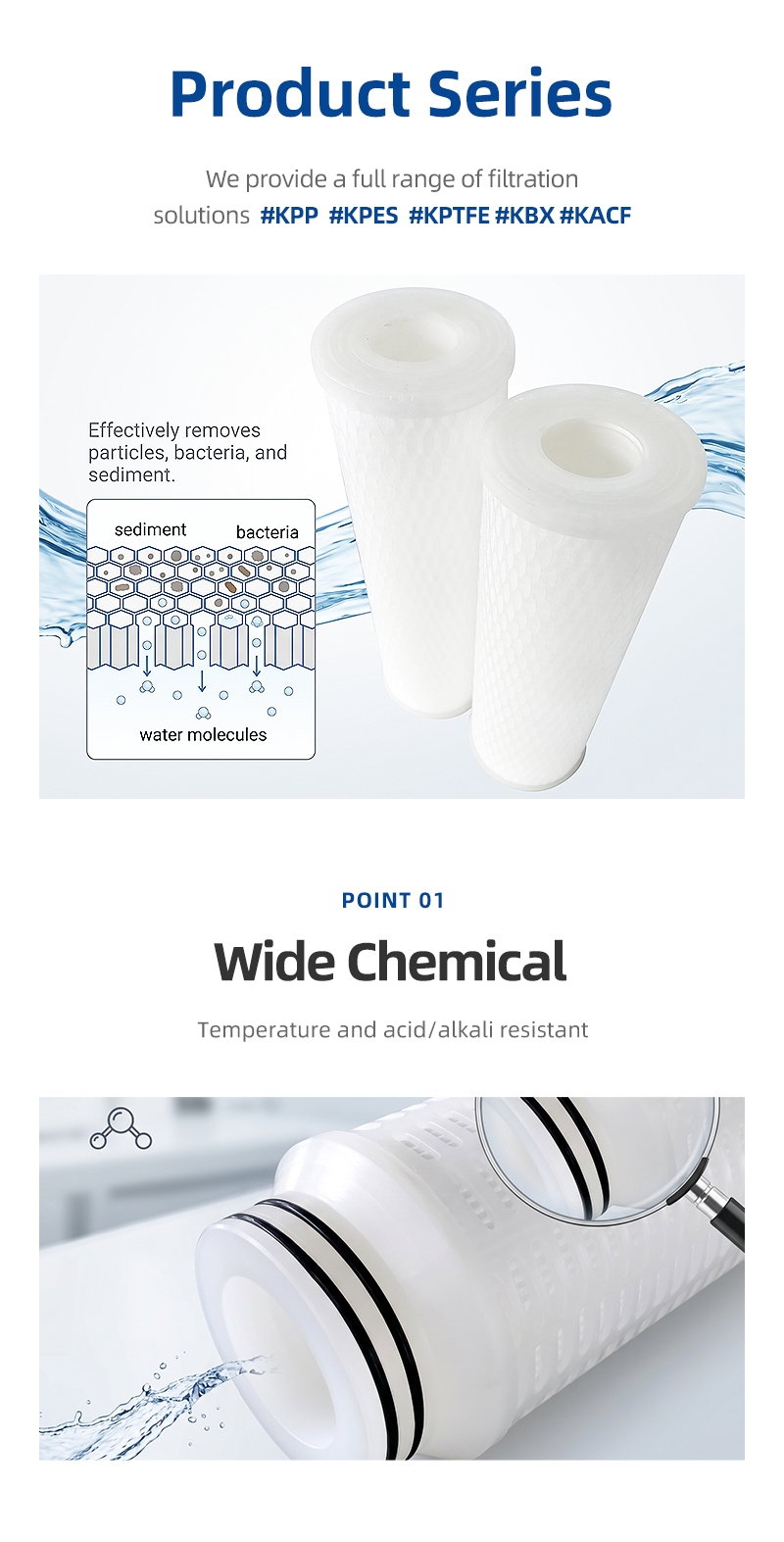
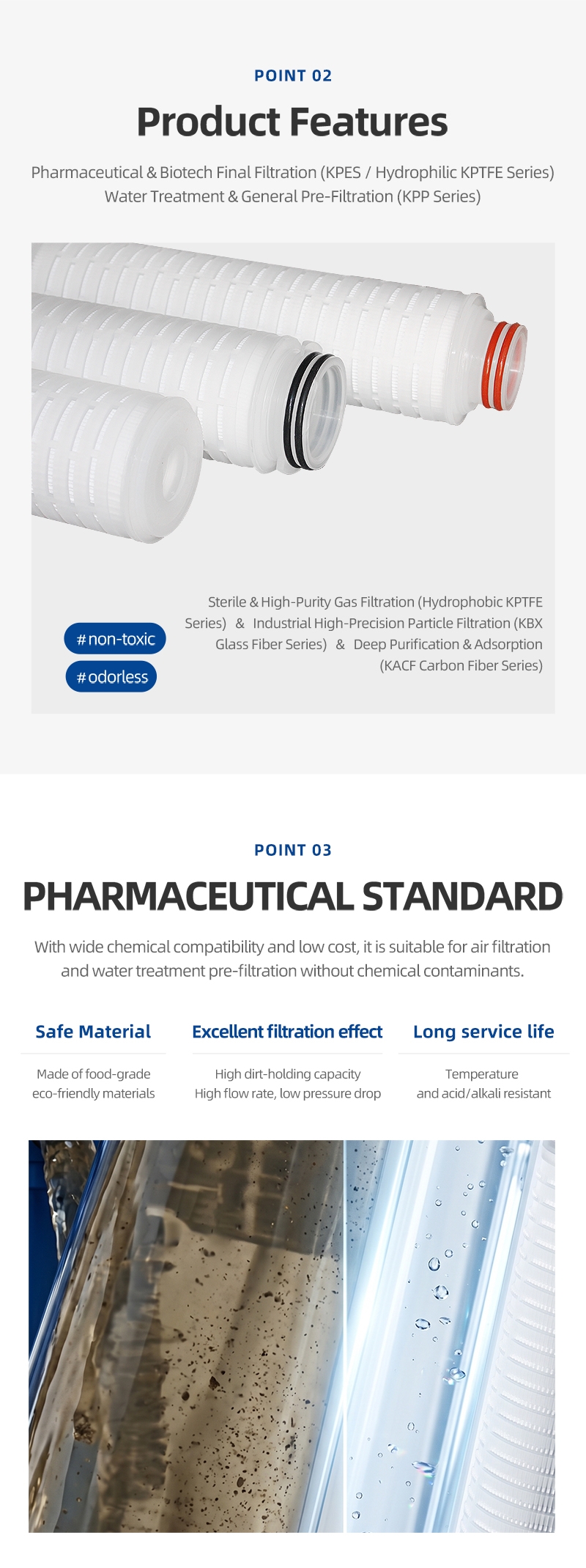
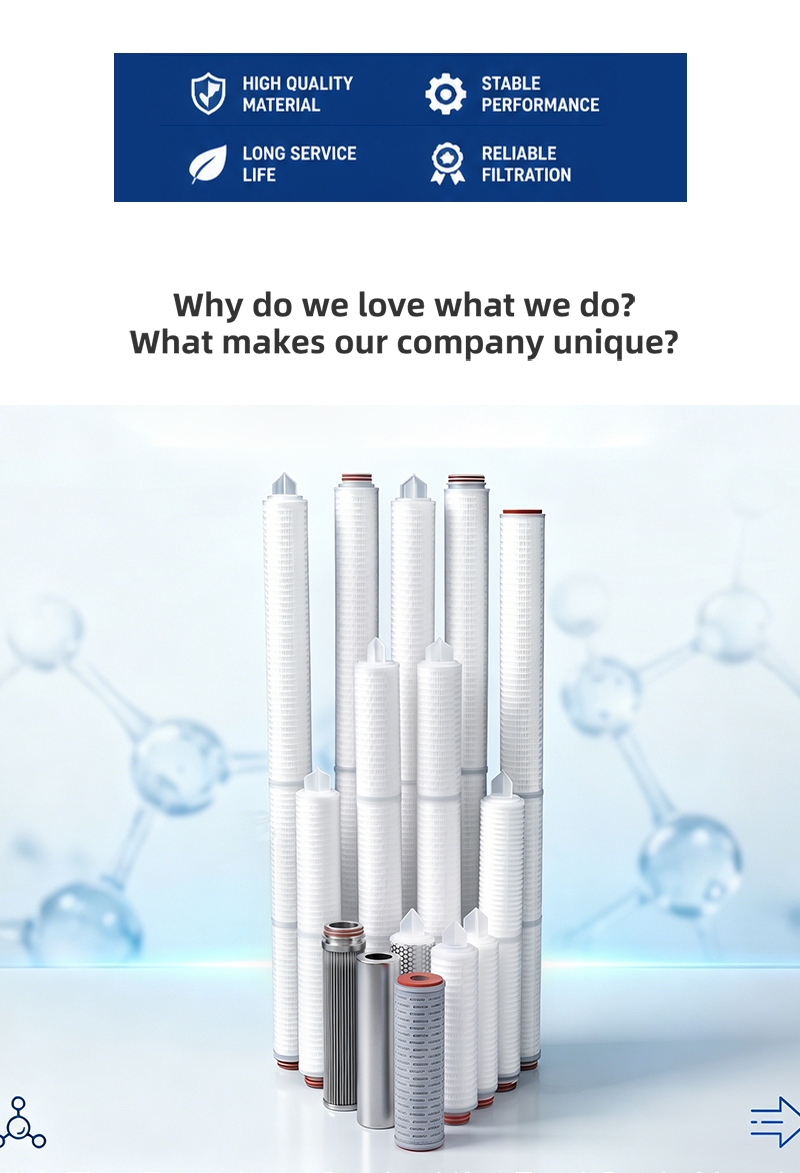
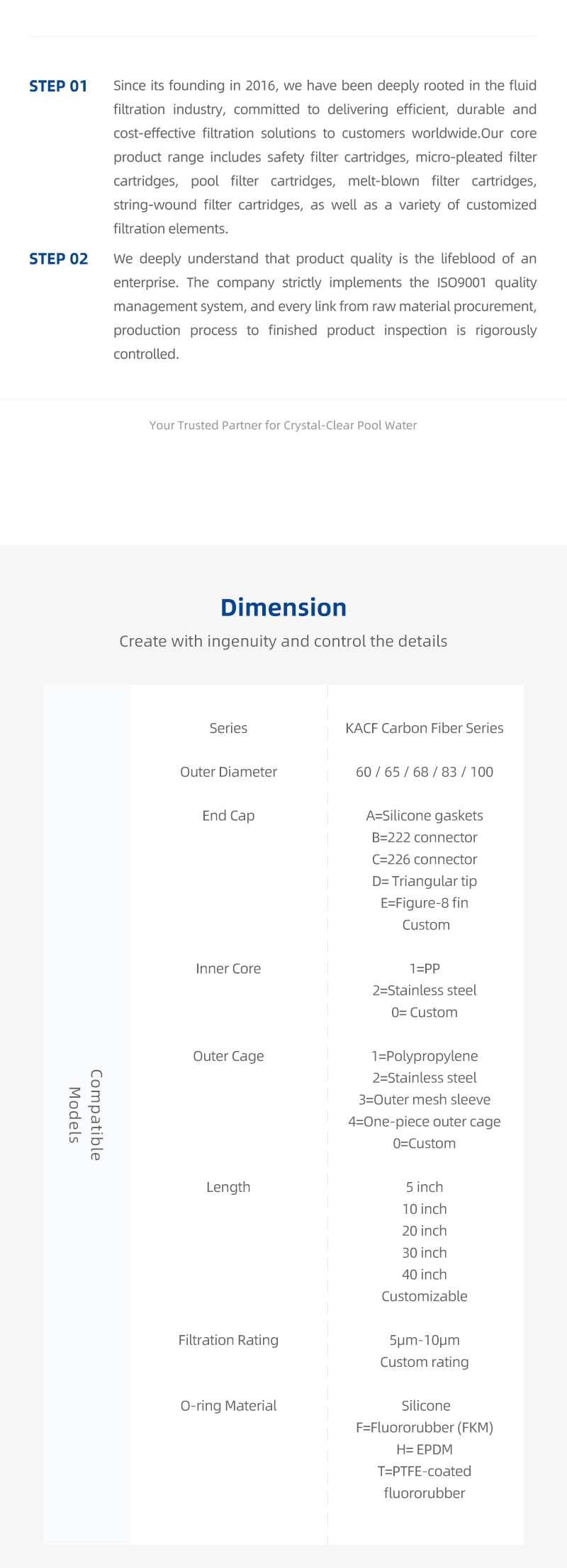
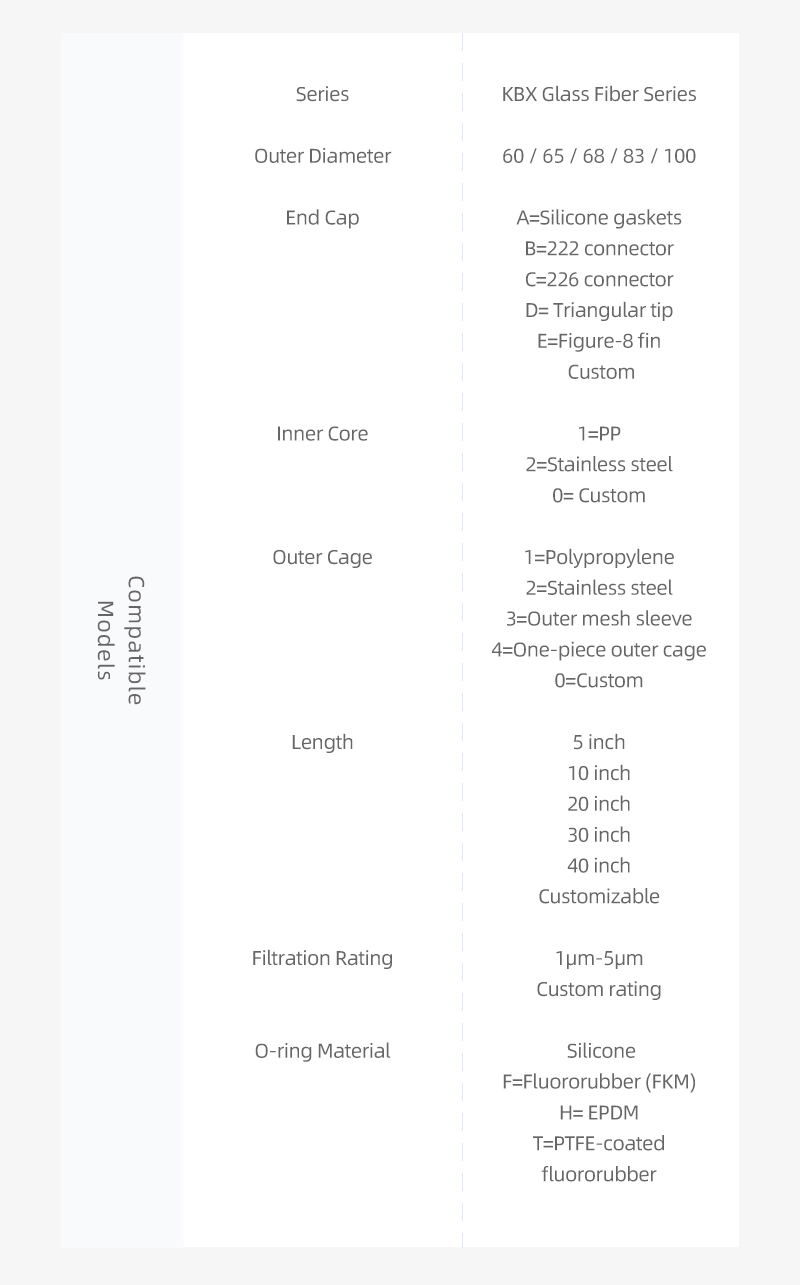
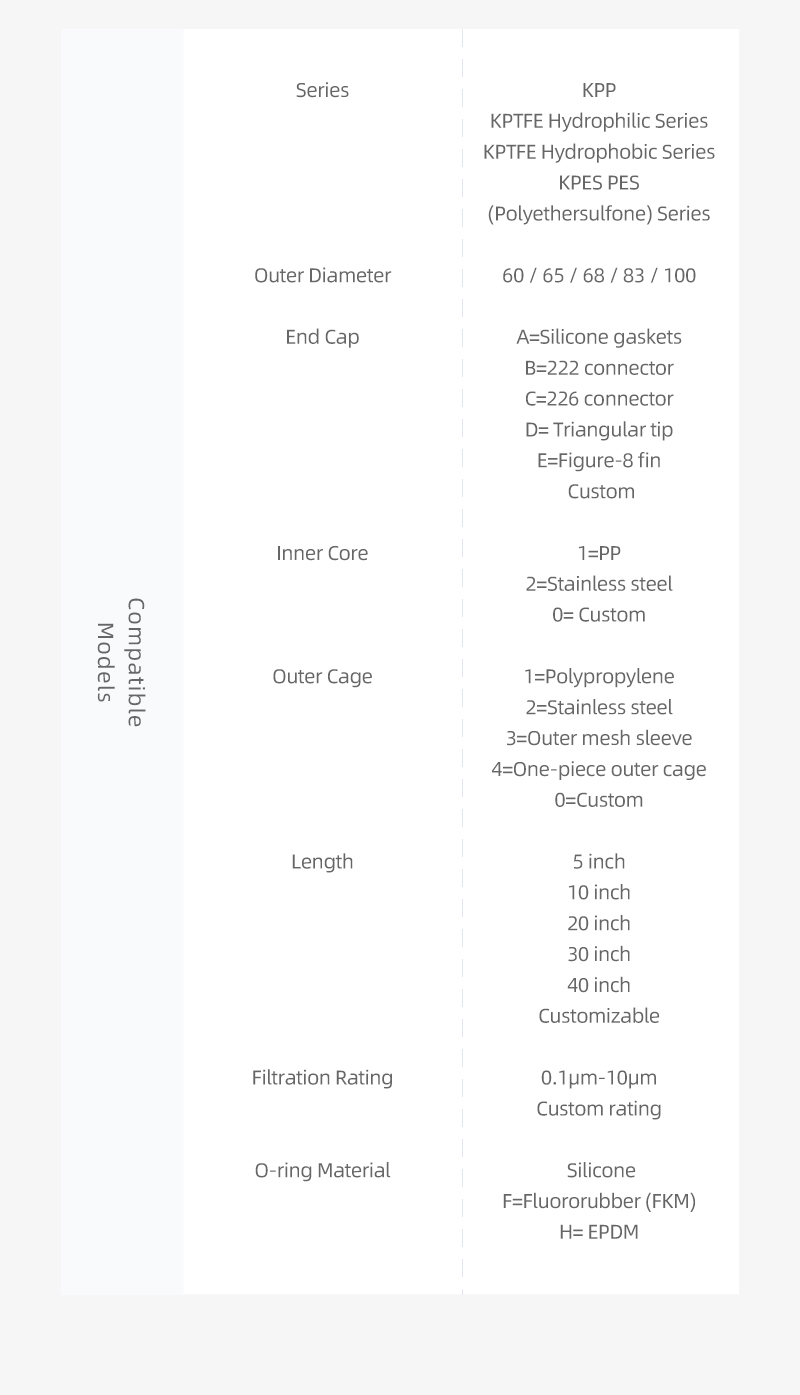
The selection of sterilization performance is the core consideration for aseptic production lines. PES filter cartridges have excellent high-temperature sterilization capabilities. The conventional continuous use temperature is ≤ 80°C, and they can withstand 121°C saturated steam repeated sterilization, suitable for both online sterilization and autoclave sterilization. When selecting, it is necessary to distinguish the filter cartridge process and prefer styles with integrated hot melt welding and no glue bonding to avoid problems such as solubility exceeding standards, interface leakage, and membrane deformation after high-temperature sterilization, which are common defects of ordinary pleated membrane filter element. For non-aseptic conditions, no repeated sterilization is required, and cost reduction can be achieved through conventional selection; for aseptic continuous production conditions, high-purity PES membrane filter cartridges that can be sterilized multiple times must be selected.
Finally, share practical selection tips to avoid pitfalls. Prioritize based on the material properties, water-based pharmaceutical liquids and biological solutions must use PES, while organic solvents require a change to PTFE filter cartridges instead of polypropylene pleated filter element; follow the principle of "coarse filtration first, then precise filtration", combine graded filtration to improve material utilization; combine equipment pressure and flow to match the length and folding area of the filter cartridge, avoiding insufficient flow rate that affects production capacity of folding filter cartridge and PP filter cartridge.
In summary, precise selection requires a comprehensive judgment based on material compatibility, aperture accuracy, sterilization requirements, and working conditions, which can not only stably guarantee the filtration quality but also effectively reduce production material costs, and is a key link in aseptic precision filtration production compared with ordinary pleated membrane filter cartridge and pp pleated filter cartridge.